Water leak in an Israeli condominium: who is responsible?
Water leak in an Israeli condominium: understand when responsibility lies with the vaad bayit and when it lies with the owner of the home.
In a condominium (bayit meshoutaf), responsibility for a water leak depends above all on where it comes from: if it comes from the common areas, managed by the vaad bayit (the building committee), repairing it is in principle a matter for the condominium. If it comes from a private apartment, it is in principle up to its owner to act.
This distinction, simple on paper, quickly becomes complicated when the water passes through several apartments or affects both common and private areas. Understanding the main principles lets you act quickly and know which insurance to turn to.
Understanding the vaad bayit and the common areas
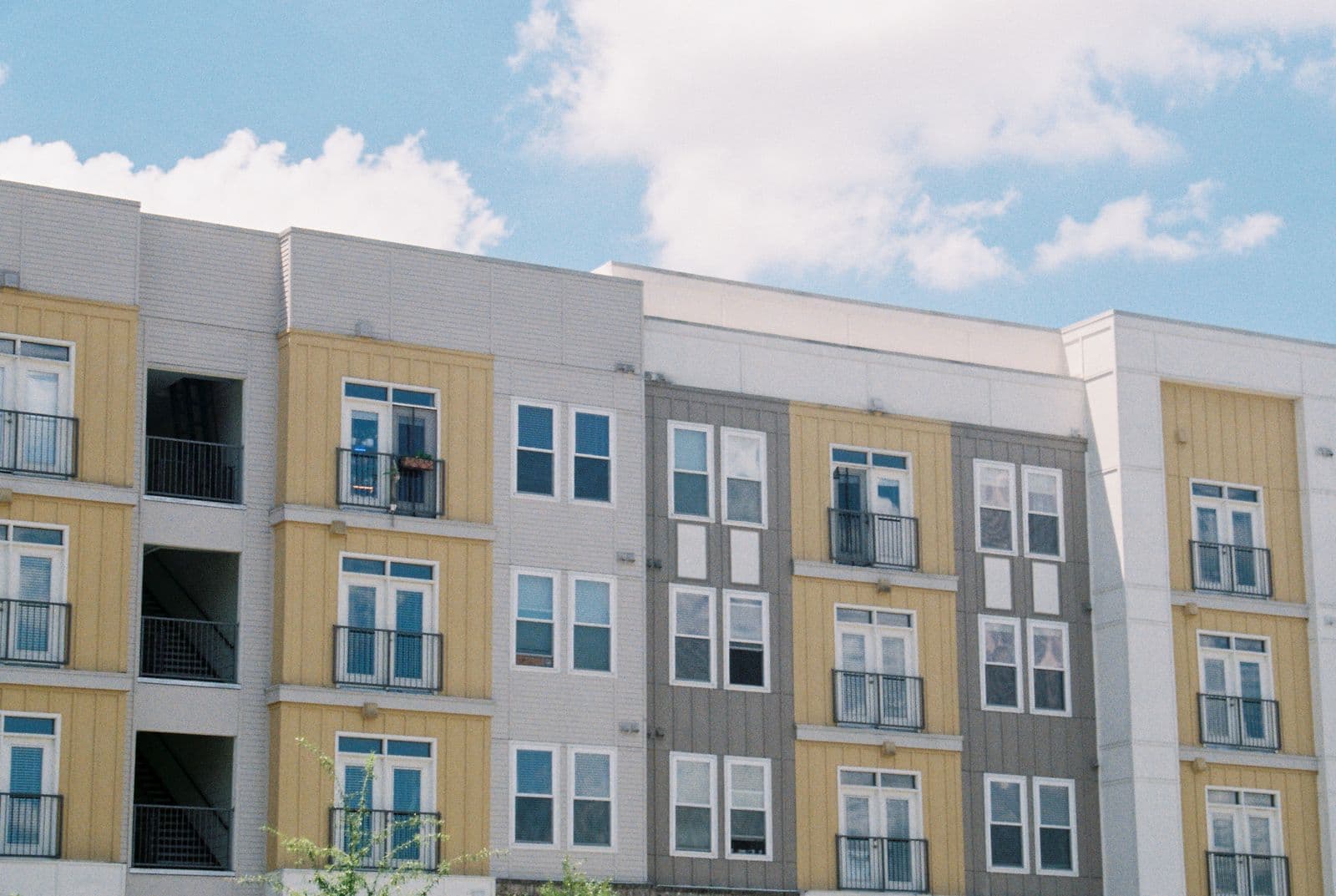
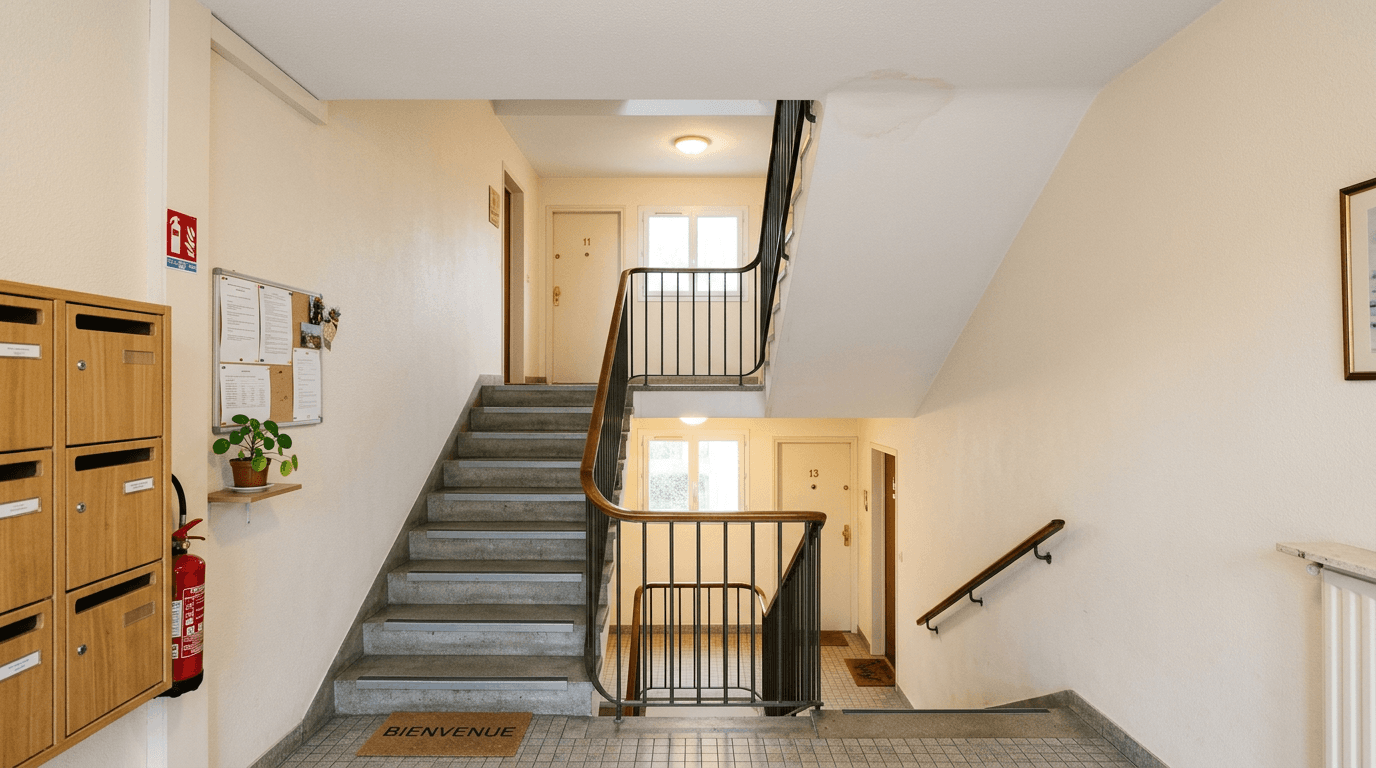
The vaad bayit, the condominium committee or managing body, looks after the maintenance of the building's common areas: stairwells, roof, facades, and the pipes that serve all the homes. Under Israeli property law, the vaad bayit is responsible for repairing damage affecting these shared elements.
This responsibility exists regardless of the question of fault: even if nobody is directly at fault for the wear of a shared pipe, the vaad bayit must organise and fund its repair, generally through the condominium charges or a collective building insurance where one exists.
Who pays when the leak comes from the common areas
When a leak comes from a shared pipe, a roof infiltration or a defect affecting a collective part of the building, it is in principle up to the vaad bayit to have the source of the problem repaired. If this leak has caused damage in a private apartment, a stained ceiling or damaged furniture, the affected owner can claim compensation from the condominium for the resulting damage, in addition to the repair of the cause itself.
In practice, this claim often goes through the building's insurance if there is one, or through direct negotiation with the vaad bayit. Where no agreement is reached quickly, it is possible to apply to the competent land registry inspector to have the need for works established and, if necessary, to have the cost borne by the condominium.
Who pays when the leak comes from a private apartment
If the leak originates in a specific apartment, a washing machine, an internal pipe, a bathroom, responsibility in principle lies with the owner or occupant of that home, towards their neighbours as well as towards the condominium if common areas are also affected.
This is typically the case of a leak at the upstairs neighbour's that damages the ceiling of the apartment below: the owner at the origin of the incident must allow the repairs and may be required to compensate the affected neighbour, subject to what their insurance provides and to the responsibilities actually established between the parties.
In an Israeli condominium, the law distinguishes the common areas, under the responsibility of the vaad bayit, from the private parts of each apartment: it is the origin of the leak that determines who must act first.
When several apartments are affected at the same time
A major leak, especially one coming from a shared vertical pipe or a roof infiltration, can damage several apartments located one below the other. In this kind of situation, it is often useful to call in an expert (shama, a loss assessor) able to establish clearly the origin of the incident and each party's share of responsibility, before discussions between neighbours and the condominium get bogged down.
This expert report also serves as a basis for the insurers involved to determine which policy must respond, and in what proportion, when several contracts overlap: that of the owner at the origin of the leak, that of the affected neighbour, and possibly the building's collective insurance.
Water damage insurance: an extension not to be overlooked
A good share of the disputes around water leaks in condominiums are settled faster when everyone has suitable cover. A standard tikhoula (home insurance policy) does not always cover plumbing-related damage, or not fully: depending on the insurer, an extension or specific cover for water damage is often needed to cover pipe leaks, infiltrations and backflows.
It is also useful to check whether the building has a collective condominium insurance, separate from the individual policies of each home, which can cover part of the damage affecting the common areas. Our page on home insurance in Israel goes into more detail on the cover to check before signing.
What this changes for a tenant
A tenant does not own the walls, but lives in the home every day and is often the first to discover the leak. They should inform the landlord without delay and, if necessary, the vaad bayit, even if repairing the structure is not covered by their own policy. Their tikhoula, on the other hand, must cover their furniture and personal belongings damaged by water, whatever the origin of the incident.
If in doubt about who should be told first, it is better to act quickly than to wait: reporting a leak promptly, even a minor one, often prevents it from getting worse and complicating the question of responsibility.
The right reflexes when something happens
As soon as you discover a leak, it is best to shut off the water supply concerned, document the damage with dated photos, and inform both the vaad bayit and, if necessary, the neighbour concerned. A quick response limits the worsening of the damage and then makes dealing with the insurers easier.
It is also useful to keep a written record of every exchange: date the incident was discovered, people informed, replies received. These details are often requested by the insurer or, in the event of a lasting disagreement, by the competent inspector.
Every condominium and every lease works differently: presence or absence of a collective insurance, internal rules, history of the building. If you have any doubt about who should step in or about the extent of your own cover, contact us : we can review your current policy and the water damage cover suited to your situation.
Frequently asked questions
Related to this article and our services.